· Guides & Resources

What Happens to Unclaimed Assets?

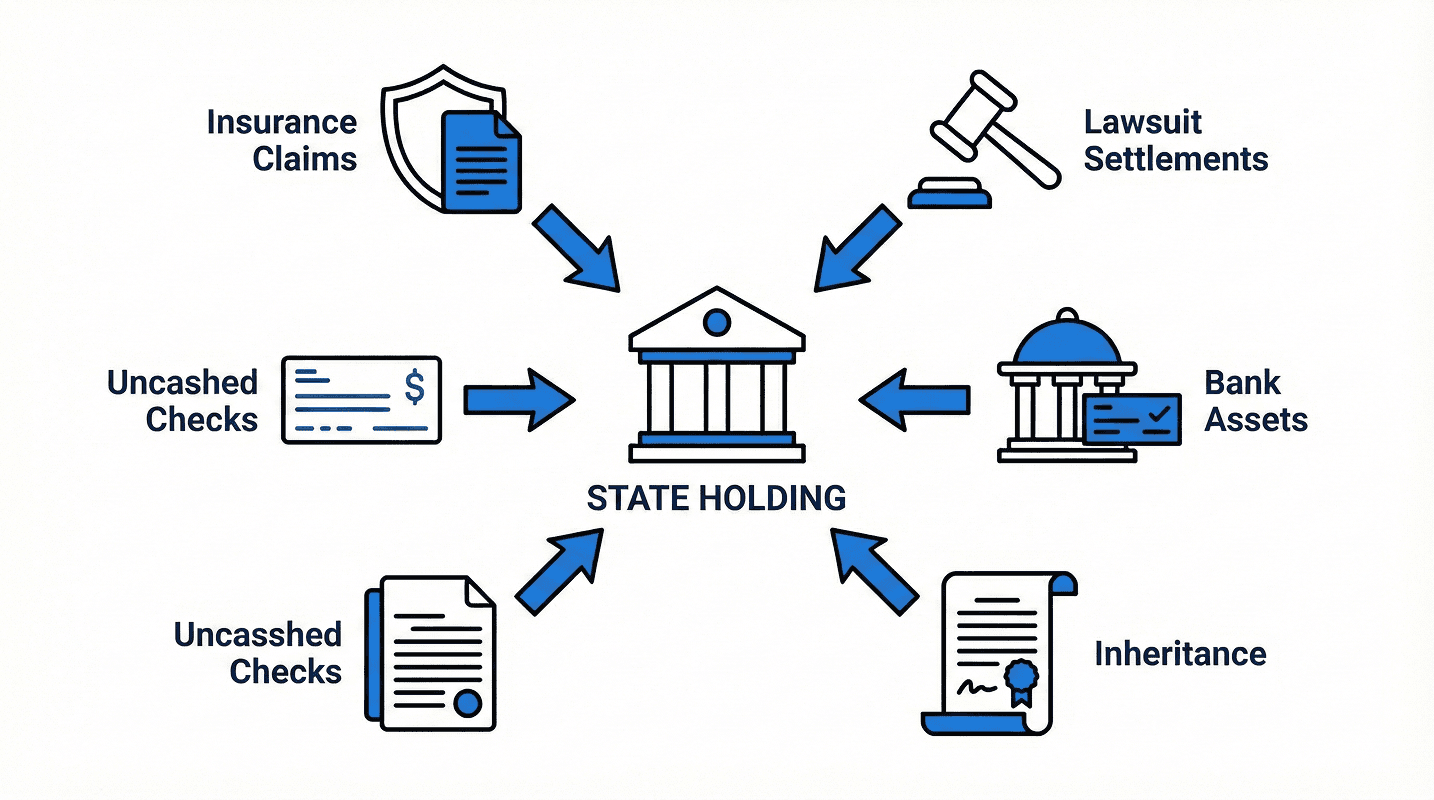
How funds are flagged, reported, safeguarded, and ultimately returned Every year, large volumes of financial assets are separated from their owners and reported to the state for safekeeping.

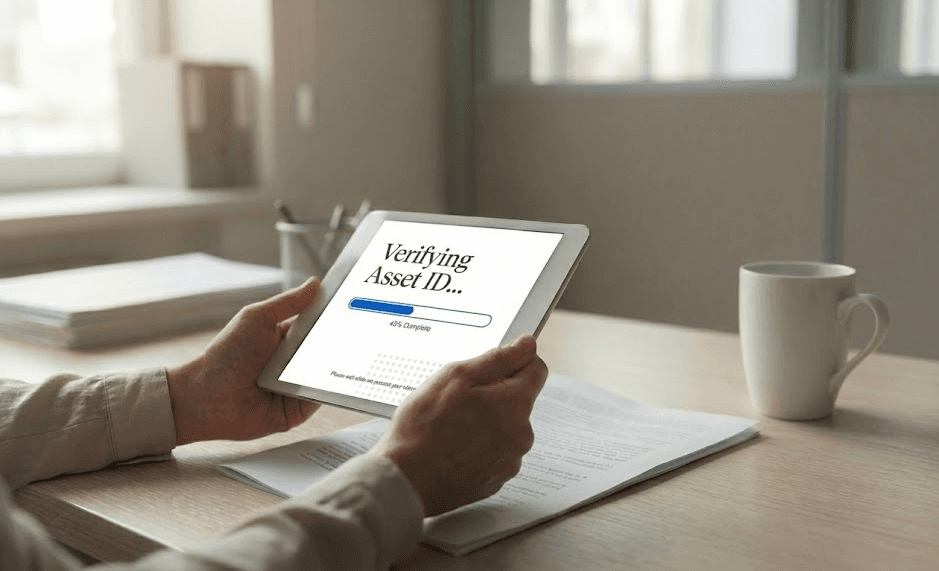
A clean claim is a fast claim. Our document-submission flow is built to reduce avoidable errors, improve data integrity, and move complete files through review faster—all while staying aligned with statutory requirements.

· Guides & Resources

Why So Much Money Goes “Missing”

Everyday slip-ups, mail quirks, and tiny typos—not neglect—create unclaimed assets Most unclaimed money doesn’t vanish because someone was careless. It slips out of reach through ordinary, boring problems: an address that never got updated, a name that changed after marriage, a check that looked like junk mail, or a typo in an apartment number.

· Guides & Resources

Accessibility & Support Services

For individuals with disabilities and for people with limited or no internet access We’re committed to making the unclaimed-money process fair, dignified, and accessible.

Unclaimed assets (also called unclaimed property or abandoned property) are financial assets that have lost contact with their owners for a legally defined period. After that dormancy window, the assets are transferred to state custody through escheatment.

The California State Controller’s Office (SCO) has announced a broad modernization of the state’s Unclaimed Property Program. Guided by new legislation and improved technology, the initiative is designed to enhance security, increase efficiency, and simplify the experience for both reporting businesses (“holders”) and claimants.

State unclaimed-property programs across the U.S. are reporting a historic high in the total value of unclaimed funds. While no single federal ledger tracks a precise, real-time number, a widely referenced estimate places 2024’s aggregate at roughly $70 billion.

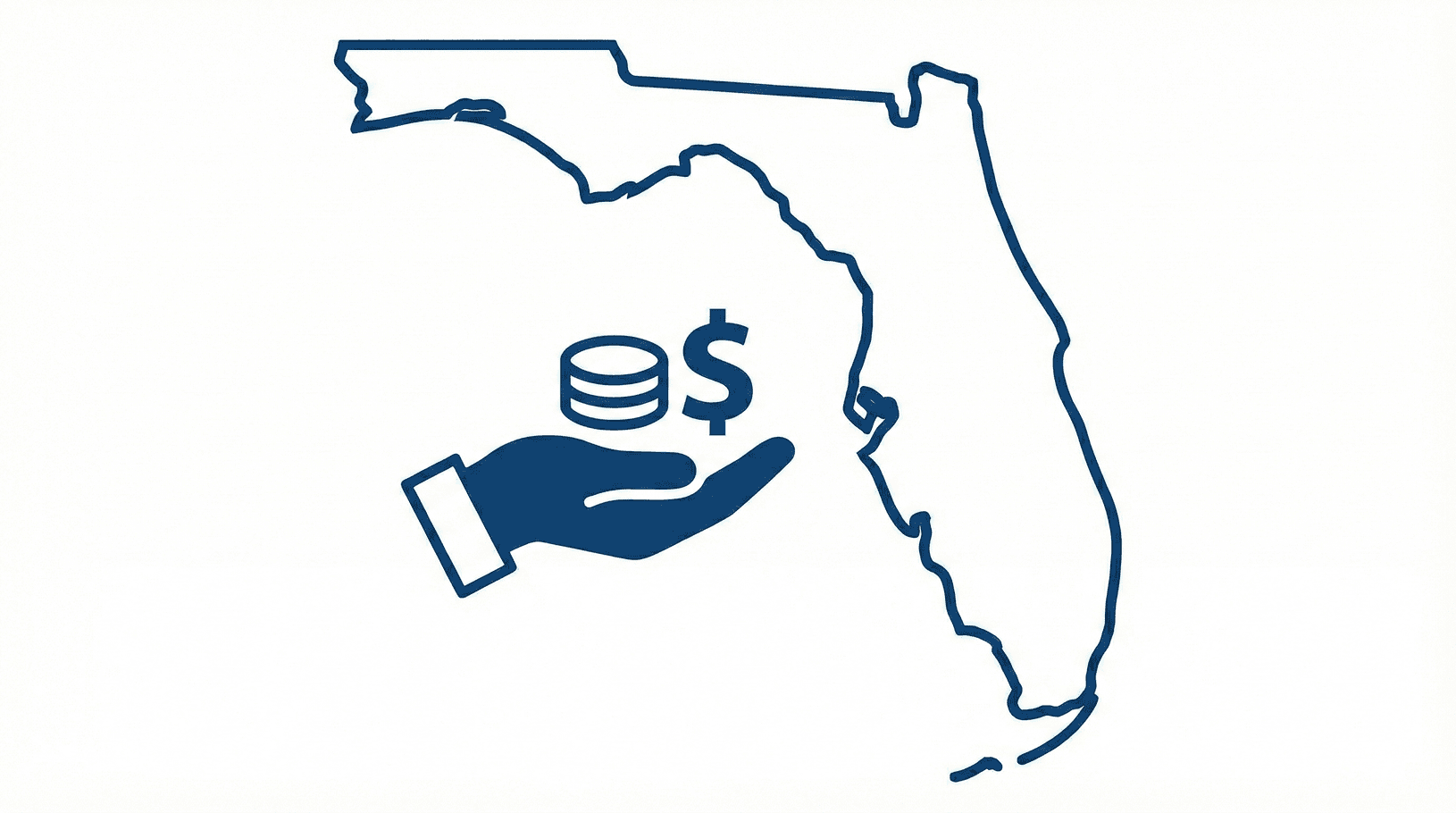
After a statutory dormancy period, companies (banks, insurers, employers, brokerages, utilities, and others) transfer these balances to the State of Florida for safekeeping under Chapter 717, Florida Statutes.

· News & Updates

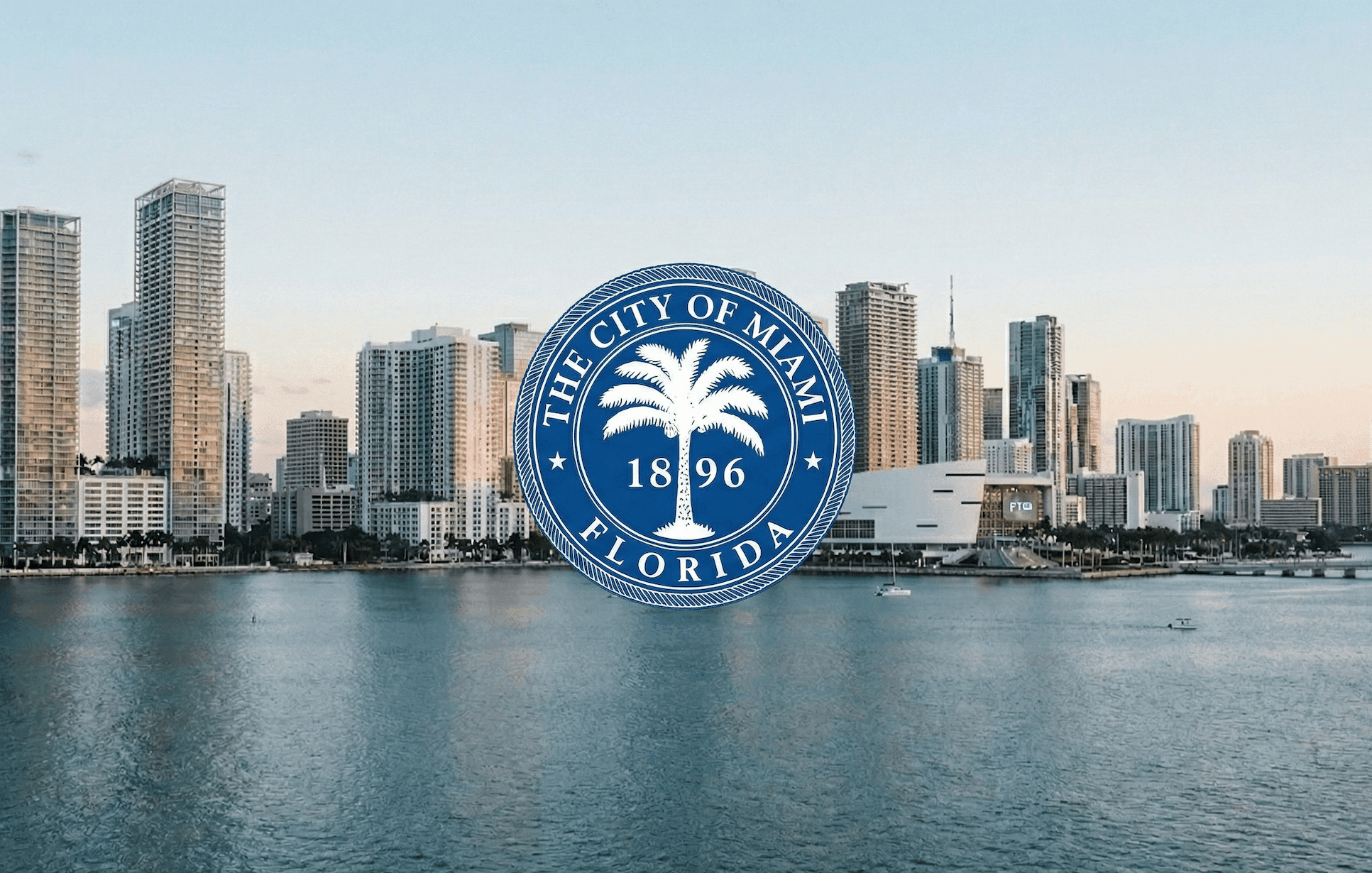
Miami-Dade County Asset Recovery Bulletin

Miami-Dade County has a significant volume of unclaimed money connected to local addresses. These balances originate with companies (banks, insurers, payroll departments, utilities, brokerages) and are transferred to the State of Florida under Chapter 717 after periods of inactivity, outdated contact details, or returned mail.

Thousands of Miami-Dade residents and local businesses may be entitled to dormant funds that companies transferred to Florida under Chapter 717 (Disposition of Unclaimed Property). These balances originate with banks, insurers, payroll departments, utilities, and brokerages and move to state custody after periods of inactivity.

New York’s Comptroller reports a record $633M returned in SFY 2024–25, boosted by automatic $250 checks and system upgrades. See how it works and where to search.

Rhode Island has finalized regulations addressing how virtual currency is handled under the state’s unclaimed property laws. The rules spell out what holders (e.g., exchanges/custodians) must do with dormant crypto and set clear procedures for liquidation and remittance to the state.