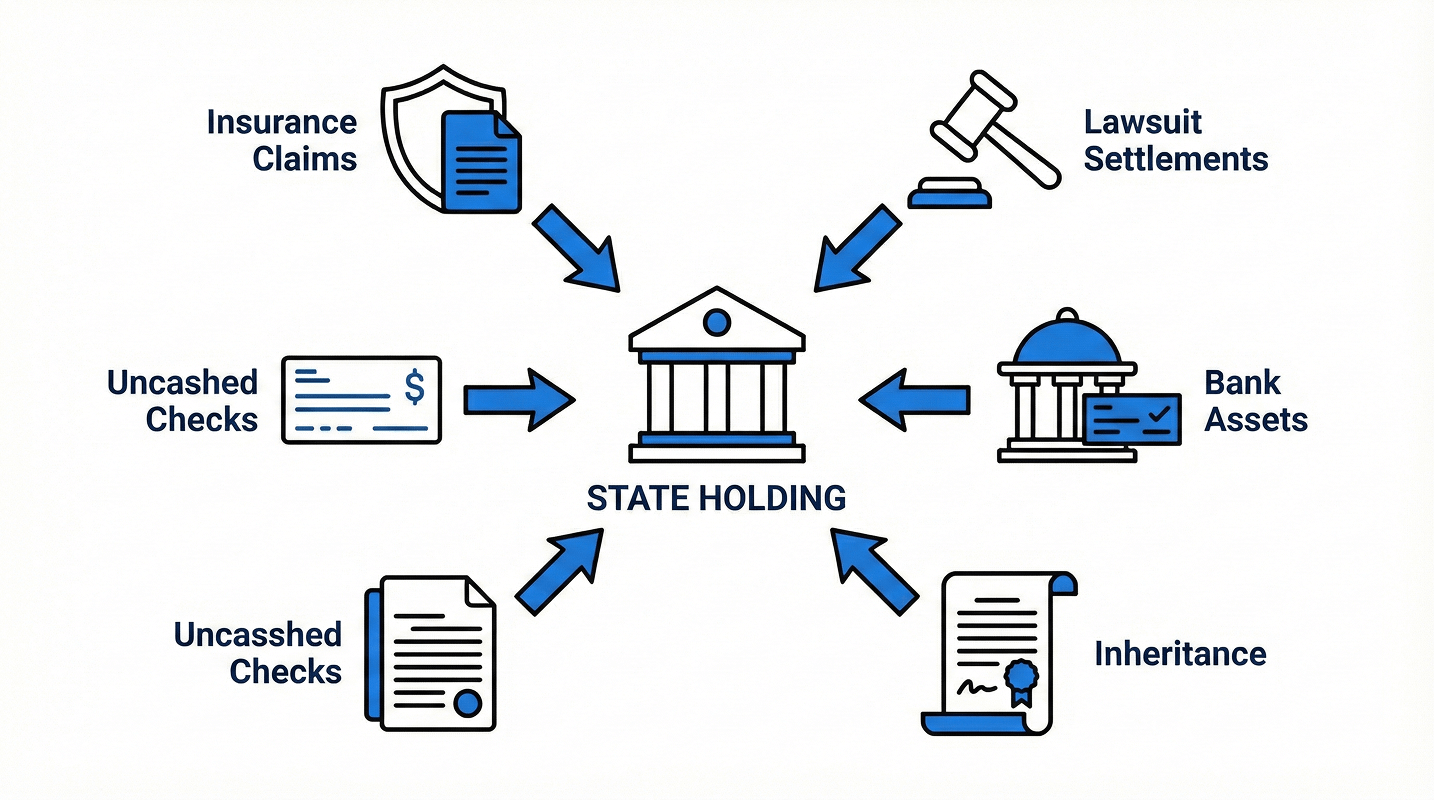
TALLAHASSEE — Florida has clarified that virtual currency (e.g., crypto held with custodians/exchanges) falls within the state’s unclaimed property framework under Chapter 717, Florida Statutes. The law sets dormancy, due-diligence, reporting, and liquidation requirements for holders, and preserves owner rights to recover proceeds.
What the Florida rules require (at a glance)
- Virtual currency is covered property.
Chapter 717 includes “virtual currency” in its definitions and treatment of intangible property for unclaimed property purposes. Florida’s code indexes and 2024–2025 updates reflect this coverage within the Disposition of Unclaimed Property Act.
- Dormancy period: generally 5 years of no owner activity.
Virtual currency held by a bank, custodian, exchange, or similar intermediary is presumed unclaimed after 5 years without owner communication or other recorded interest.
- Due diligence (pre-escheat notice).
Holders must use reasonable, prudent methods to locate and notify apparent owners of inactive accounts (typically for accounts ≥ $50) before reporting. This includes sending notices to the last known address and other good-faith outreach.
- Reporting & delivery—virtual currency must be liquidated.
Florida requires virtual currency to be liquidated and the cash proceeds remitted with the annual report. Liquidation must occur within 30 days before filing the report, relieving the holder of liability upon delivery. (Holders cannot charge fees against virtual currency unless a valid contract allows it and the holder does not routinely reverse those fees.)
- How to report.
All reports are filed via the Florida Holder Reporting Online System; Florida’s Reporting Instructions Manual details property types, dormancy, due diligence, formats, and remittance methods.
- Owner recovery.
After property is reported and liquidated, owners can claim proceeds from the Florida Department of Financial Services (DFS), Division of Unclaimed Property. Florida’s public portal explains why and how accounts arrive at the state and how to claim.
Why this matters
- Clarity for consumers and companies. Explicit coverage of virtual currency reduces ambiguity about when crypto accounts become reportable unclaimed property and what owners—and custodians—must do.
- Standardized process. Florida aligns virtual currency with other intangible property by applying familiar rules on dormancy, notice, reporting, and payment of proceeds.
- Consumer protection. Liquidation before remittance helps ensure recoverable cash proceeds are available for the owner, rather than complex wallet transfers.
Resources (official)
- Florida Statutes, Chapter 717 — Disposition of Unclaimed Property (contents & definitions, including virtual currency).
- § 717.1065 — Virtual currency (dormancy and related rules).
- § 717.117 — Report of unclaimed property; due diligence (holder notice obligations).
- § 717.119 — Payment or delivery to the department (liquidate virtual currency within 30 days before filing; remit proceeds).
- Florida DFS — Holder Reporting Online System (file reports/remit).
- Florida DFS — Reporting Instructions Manual (property types, dormancy, formats, remittance).
Florida DFS — Unclaimed Property FAQs (why accounts come to the state; general process).