Improving Claim Accuracy and Speed with Smart Document Submission
Please note: This guidance applies only in states that support online portal submissions through Reclaim.org. If your state does not currently support online submission, you must file your claim over the phone.
Why standardization matters
Unclaimed-money claims often stall for simple reasons: blurry IDs, cut-off pages, missing signatures, or the wrong file type. By standardizing how documents are prepared and uploaded, we:
Eliminate format mismatches that trigger manual fixes,
Preserve key data (names, dates, addresses) exactly as printed,
Shorten the back-and-forth so claims can be examined sooner.
What our system checks before you submit (pre-flight)
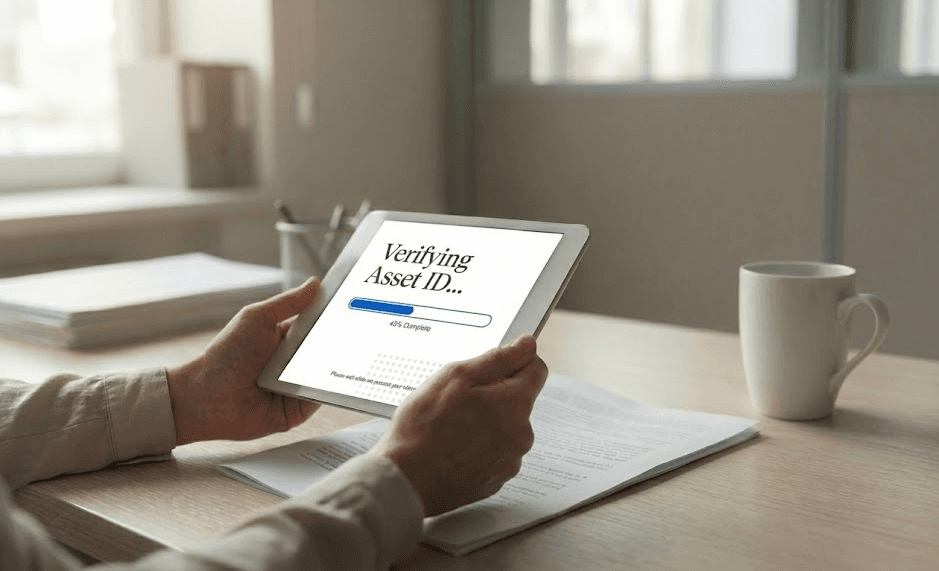
Before a file is accepted, automated validations look for:
Legibility & completeness (full edges visible; no glare or heavy shadows),
Required pages present (front/back where applicable),
Basic consistency (names and addresses that align with the claim),
File readiness (supported format and reasonable size).
If something needs attention, you’ll see a clear prompt to correct it on the spot—preventing an avoidable delay later.
Fewer errors → faster processing
When uploads pass pre-flight checks:
Intake is prioritized because files are already complete,
Follow-up requests drop, freeing reviewers to finish more claims,
Average timelines improve—especially for straightforward claims.
Simple prep guidelines (save time up front)
Use clear scans or photos: lay documents flat, fill the frame, and avoid glare.
Capture all edges: don’t crop; include front and back if the document has printing on both sides.
One document per file: keep your ID separate from proof of address, etc.
Match your current details: if your name or address changed, include the supporting record (e.g., name-change or address documentation) when requested.
Check dates: use current, valid ID and recent proof of address as specified.
If a specific claim type requires a notarized form or extra exhibits, the upload flow will flag that requirement before you submit.
Built-in review checks (after submission)
Once files are uploaded, the system performs additional validations to confirm:
Document type matches the requested slot (e.g., ID vs. address proof),
Presence of signatures/initials where a form requires them,
Completeness of multi-page forms (attachments included when applicable).
Items that pass proceed to examiner review; items that don’t trigger a precise request so you know exactly what to fix.
Data integrity and compliance
Standards-based handling supports accurate verification against source records,
Consistent formats reduce transcription mistakes and mismatches,
Audit-ready traceability preserves a clean record of what was submitted and when.
Security, privacy, and access
Encrypted transmission and storage protect your documents end to end.
Limited-access review ensures only authorized personnel handle your file.
Clear status updates let you know when an item is received, accepted, or needs revision.
Smart submission rules aren’t red tape—they’re the fast lane. When documents are clear, complete, and consistent, claims move quickly with fewer interrupts, safeguarding your rights while keeping the process accurate and efficient.
See if there’s money in your name
Search state unclaimed property records with your name and mobile number.